5 Reasons Repetitive Books Are a Game-Changer for Apraxia of Speech Therapy
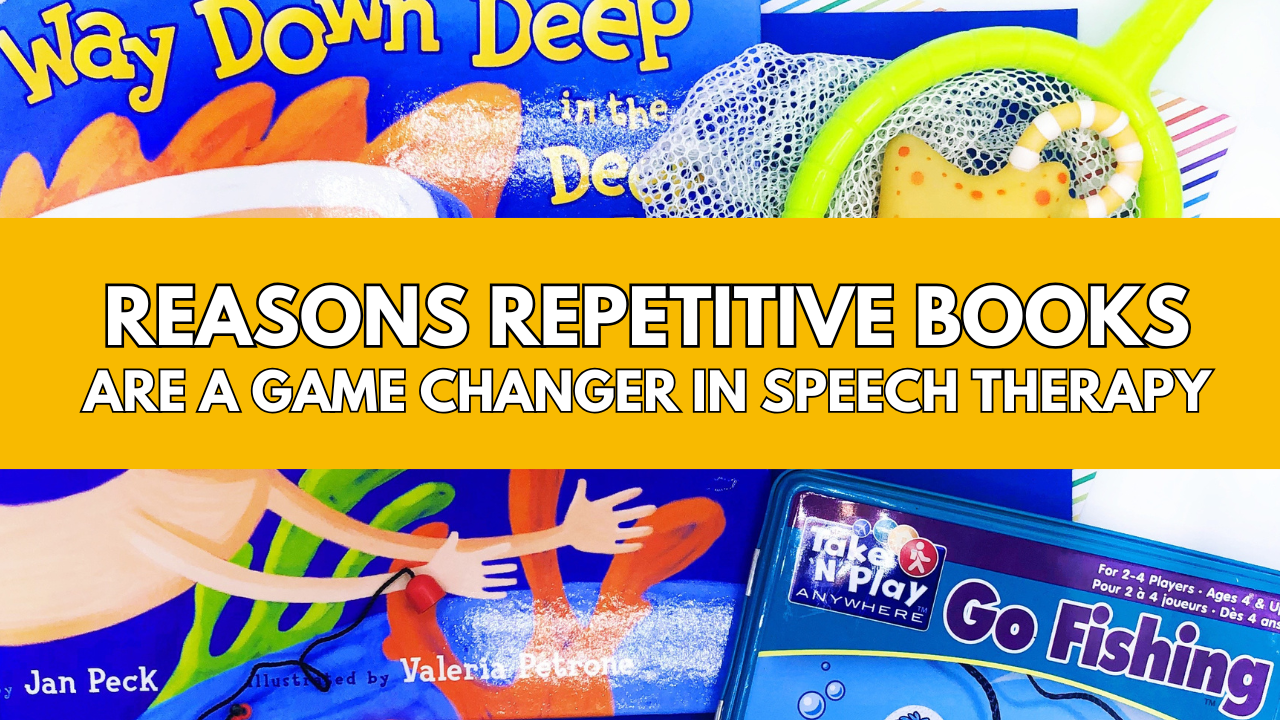
If you’ve ever worked with preschoolers with apraxia of speech, you know how magical repetition can be. Those little moments when a child starts anticipating the next line in a story or fills in the missing word? That’s the sweet spot where speech motor planning and confidence start to grow. That’s why I’m such a fan of using repetitive books for apraxia.
Why predictable stories help little learners shine
Children with Apraxia of Speech often know exactly what they want to say, but their brains have trouble planning and sequencing the movements needed for speech. That’s where repetition steps in like a patient, loving coach.
Every time a child repeats a target word or phrase, their brain is building a stronger motor pathway - turning effortful speech into automatic speech.
Think of it like riding a bike: the first few times take focus and wobbles, but the more you practice, the smoother it gets.
And in repetitive books? That “practice” doesn’t feel like drill. It feels like storytelling, connection, and fun.
Each predictable line gives your student another chance to succeed without the stress of producing brand-new words each page.
Bonus: predictability also builds confidence. When kids start anticipating what comes next (“I know this part!”), they feel capable and excited to participate. Confidence = engagement.
The hidden problem with most storybooks
Traditional storybooks are wonderful for language development — but not always ideal for Apraxia therapy.
Why? Because they’re:
-
Full of novel words and syntax (so every page demands new speech planning)
-
Visually busy (extra cognitive load for kids already working hard)
-
Low on repetition (you might say each target once… then move on forever!)
Kids with motor speech difficulties need hundreds of repetitions — not just one or two. And they need those repetitions to feel meaningful, not mechanical.
That’s why repetitive storybooks (especially interactive ones) hit that sweet spot between structure and motivation.
What makes interactive repetitive books so powerful 🎯
Let’s break down what actually works here — and why.
1. They naturally increase speech trials
Every page repeats the same words and patterns, giving students dozens of opportunities without you prompting every time. The rhythm and structure keep practice flowing.
2. They blend structure with play
When kids lift flaps, move pieces, or act out verbs, they’re not just “reading.” They’re doing. That movement boosts engagement and keeps focus high, even for your wiggly little friends.
3. They work for mixed groups
You can target articulation (e.g., /p/, /b/, /m/), expressive language, WH-questions, and sequencing — all in one book. Less prep, more progress.
4. They’re adaptable for home carryover
Parents can easily use these books at home (no training required!). Repetition helps families feel successful too — no “what do I say?” pressure.
5. They help you see progress fast
Once a child masters a repeated phrase, you’ll see generalization pop up in other contexts — the best sign those speech motor pathways are solidifying.
What to look for when choosing repetitive books for apraxia 🕵️♀️
Here’s your quick checklist for high-impact therapy picks:
✅ A strong, predictable refrain (repeated on every page)
✅ Target-rich words (CV, CVC, or early word shapes)
✅ Simple, clear visuals (avoid cluttered pages)
✅ Built-in actions or choices (move, match, or fill in)
✅ Adaptable for articulation, language, or following directions
✅ Fun! (If you’re bored, the kids will be too 😅)
That’s exactly the recipe behind my Repetitive Book Bundle for Preschool Apraxia of Speech and Early Intervention— each story was designed for ages 3–5 with interactive, print-and-go fun. You can also grab digital Boom™ Card versions for teletherapy or home practice.
Why this approach works (and the research backs it) 🧠
There’s a reason repetitive stories feel so effective — they’re evidence-based.
According to Apraxia Kids, “Children with motor speech disorders need repeated opportunities to practice the same targets within meaningful contexts.” (apraxia-kids.org)
And research summarized by MedBridge highlights that “a high volume of practice is critical for speech skill proficiency, particularly for children with CAS.” (medbridge.com)
In short:
✨ Repetition = more motor practice
✨ Predictability = less cognitive load
✨ Contextual play = more engagement
✨ Engagement = more progress
Simple, science-backed, and sustainable — the SLP trifecta!
FAQs ☕️
Q: What ages are repetitive books best for?
A: They’re perfect for preschool and early intervention (ages 3–5), but adaptable for slightly older children who still benefit from visual and interactive supports.
Q: How often should I use repetitive books in apraxia therapy?
A: Frequent exposure is key! Even 5–10 minutes a session can make a difference when the same story is used across multiple visits.
Q: Can I use repetitive books for language goals too?
A: Absolutely! They’re fantastic for vocabulary, describing, WH-questions, and following directions — especially in mixed groups.
Q: Do I need special materials?
A: Nope! Just print and go (or use the Boom™ Card version for digital sessions).
Why my repetitive books are different from “just another story”
There are lots of cute books out there — but most aren’t designed with speech motor planning in mind. These are.
Here’s what sets them apart:
✅ Every line is intentional. I designed each story to target early syllable shapes, functional words, and simple prosody patterns that support motor planning success.
✅ The repetition is structured, not random. You’re not repeating by accident — you’re repeating strategically to strengthen those neural pathways for consistent production.
✅ The visuals are therapy-smart. Each illustration supports the language without visual overload — clear characters, minimal distractions, bright but purposeful color choices.
✅ They’re built for flexibility. You can target one sound today and switch to a language goal tomorrow using the same story.
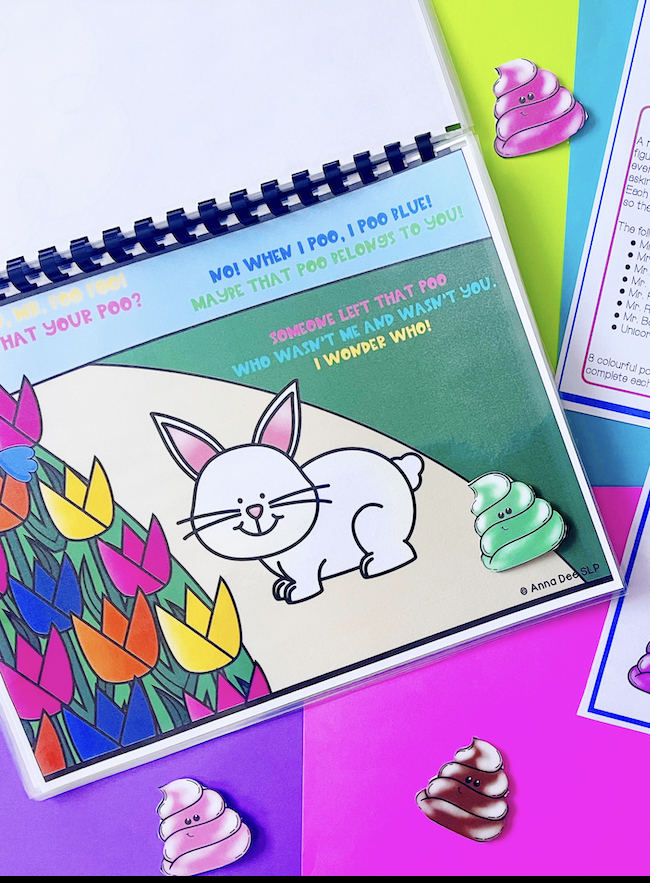
✅ They keep kids engaged - the moving pieces on each page keep little hands busy and kids engaged!
In short: these books are the bridge between the science of motor learning and the joy of play-based therapy.
Let’s wrap it up ☀️
Repetitive books aren’t just cute stories — they’re confidence builders, practice powerhouses, and therapy time-savers.
They combine what kids need (structure + repetition) with what they love (stories + interaction).
If you’re ready to make your sessions more effective and more joyful, grab the Repetitive Book Bundle for Preschool Apraxia of Speech and Early Intervention.
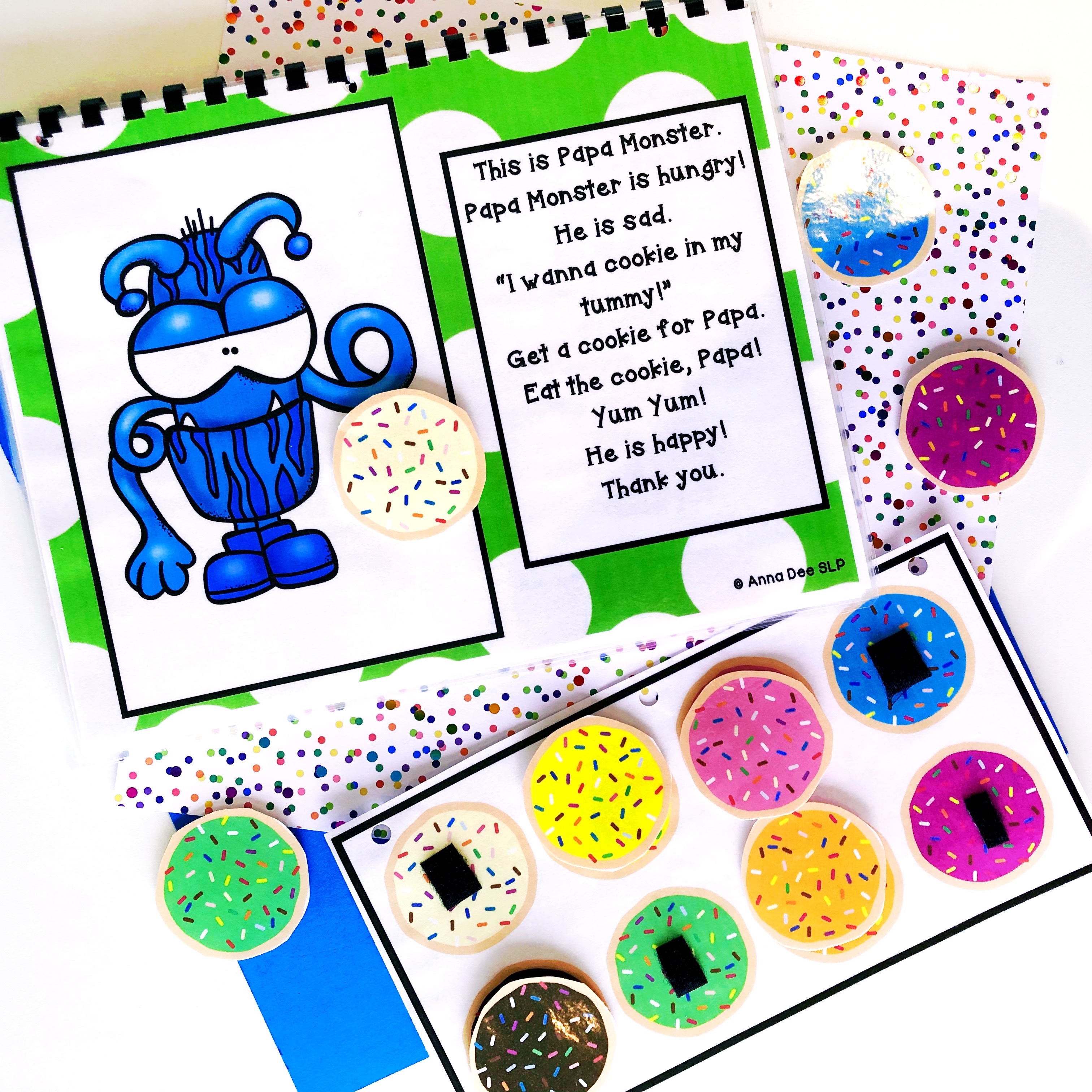
You’ll have a ready-to-use library of stories that hit all the right notes for motor planning, engagement, and early communication — no prep required.
Because therapy should feel like play… not like planning overload.
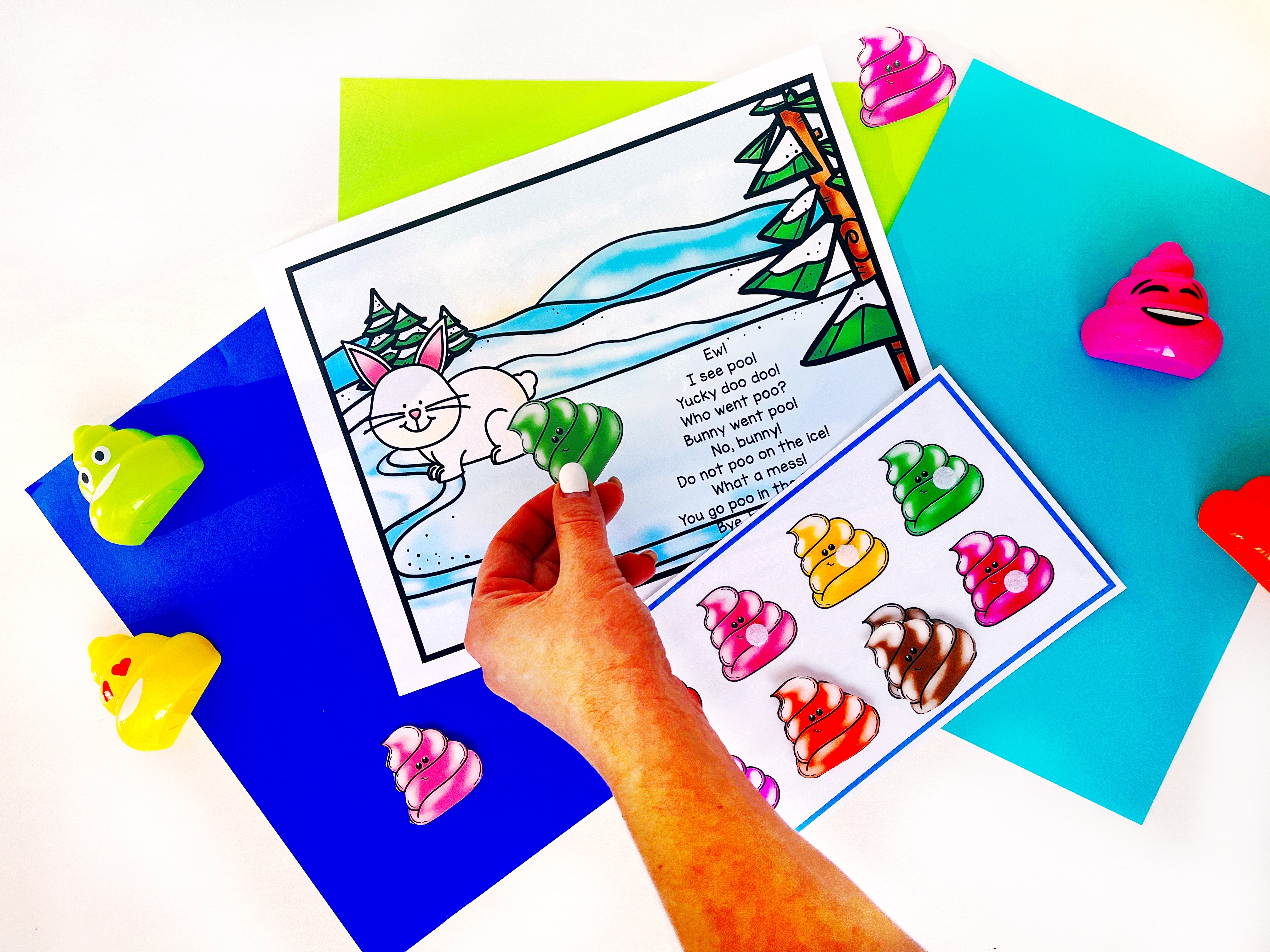
Want to try out one for free? Check out this silly and funny story, Is that your Poo? here!
Related reads from my blog
Let's stay connected!
Join the mailing list to receive updates with new freebies, promos, and specials!
Don't worry, your information will not be shared.
We hate SPAM. We will never sell your information, for any reason.